



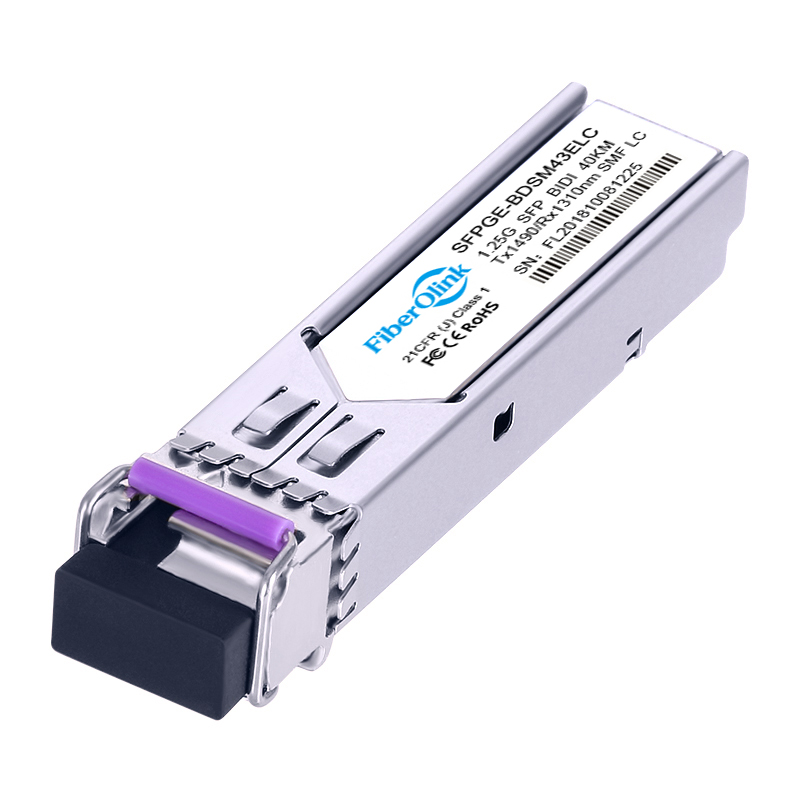
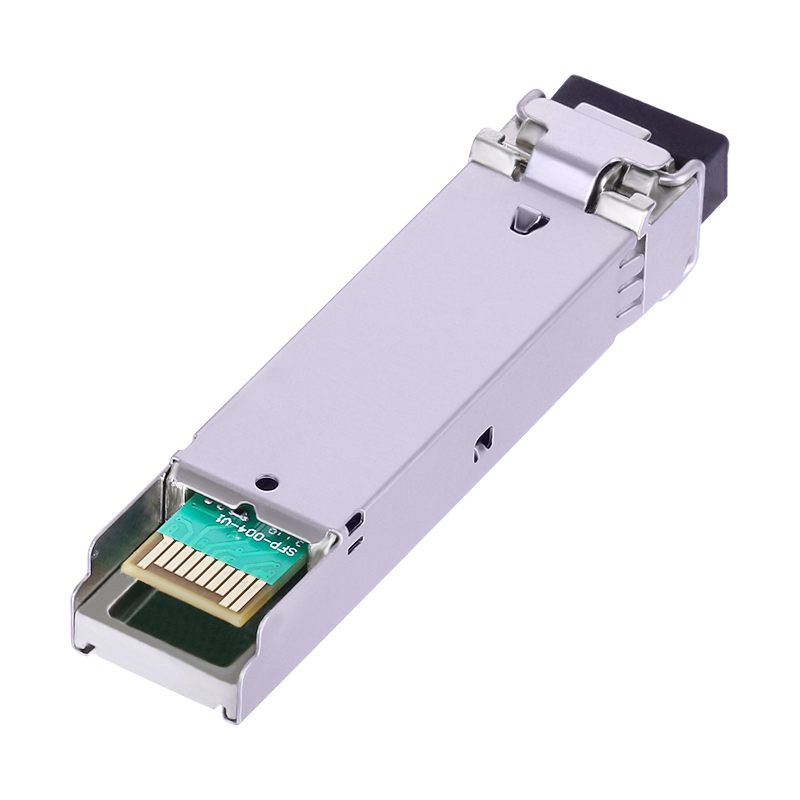
1.25G BIDI SFP LX 1490Tx 1310Rx 40km
- Utilizes hot-swappable SFP packaging simplex transceiver module
- 1490nm FP transmitter and PIN receiver
- Compliant with IEEE 802.3z, SFF-8472, and SFP MSA Ethernet standards
- Maximum power consumption less than 0.86W
- Built-in Digital Diagnostic Monitoring (DDM)
- Power supply voltage 3.3V
- Compliant with RoHS environmental standards (lead-free)
- Class 1/1M specification product, compliant with IEC60825-1 requirements
- Meets Telcordia (Bellcore) GR-468-CORE reliability requirements
- Meets EMI and ESD requirements
- MTBF: 800,000 hours
Warranty : 30-Day Free Return, 3-Year Free Replacement, 5-Year Warranty, Lifetime After-sales Technical Support.
| Product Model | SFP-1G-BIDI-40 | Vendor Name | Fiberolink |
| Form Factor | SFP | Data Rate | 1.25Gbps |
| Wavelength | TX-1490nm/RX-1310nm | Distance | 40km |
| Connector | LC Simplex | Cable Type | SMF |
| Transmitter Type | FP | Detector Types | PIN |
| TX Power | -9~-3dBm | Receiver Sensitivity | < -20dBm |
| Power Consumption | ≤0.86W | Operation Temperature | 0~70°C |
| DDM | Support | EMC | Support |
| Protocols | IEEE 802.3z, SFF-8472, SFP+ MSA, CPRI, eCPRI | ||
Q、What types of SFP optical modules are there?
A、SFP optical modules are compact, hot-pluggable transceiver devices widely used in the telecommunications industry. They come in various forms, including BIDI-SFP, electrical interface SFP, CWDM SFP, DWDM SFP, and SFP+ optical modules. Moreover, compared to similar modules such as XFP, X2, and XENPAK, SFP modules not only offer direct connectivity but are also characterized by a lower cost.
Q、Can an SFP port connect to an RJ45 port?
A、Yes. For example, to connect a 1G SFP switch to a 1G RJ45 switch, simply use a Gigabit Ethernet copper module on the 1G SFP switch. Given that the copper module has an SFP port on one end and an RJ45 interface on the other, insert the SFP end into the 1G SFP switch and then use an Ethernet cable to connect the RJ45 side of the copper module to the RJ45 port of the 1G RJ45 switch.
Q、What if the electrical interface module SFP-GE-T won’t plug in?
A、If you encounter difficulties plugging in the electrical interface module, consider the following potential reasons:
- Incorrect Slot Orientation: Ensure the orientation of the module’s slot matches the design requirements of the equipment correctly.
- Damaged or Blocked Slot: Inspect the device’s slot for any damage or blockages. Thoroughly examine and clean the slot before attempting to insert the module.
- Damaged Connector: Check the integrity of the module’s plug. A damaged plug may fail to secure properly. If damaged, replacing the electrical interface module is advised.
- Compatibility Issues: Verify that the electrical interface module matches the interface type and specifications of your equipment. Incompatibility can sometimes prevent proper insertion.
By addressing these issues systematically, normal operation should typically be achievable. In rare cases where the problem persists, contacting technical support or the equipment manufacturer for assistance is recommended.
1.25Gbs SFP BIDI 10km Transceiver HXSX-1L355313x
1.25Gbs SFP BIDI 20km Transceiver HXSX-1L344323x
1.25Gbs SFP BIDI 20km Transceiver HXSX-1L355323x
1.25Gbs SFP BIDI 40km Transceiver HXSX-1L344343x
1.25Gbs SFP BIDI 40km Transceiver HXSX-1L355343x
1.25Gbs SFP BIDI 60km Transceiver HXSX-1L344363x
1.25Gbs SFP BIDI 80km Transceiver HXSX-1L455483x
1.25Gbs SFP BIDI 100km Transceiver HXSX-1L4554W3x
Related products
-
 Optical Transceivers
1.25G DWDM SFP CH17-CH61 40km
-
 Optical Transceivers
1.25G CWDM SFP 120km
-
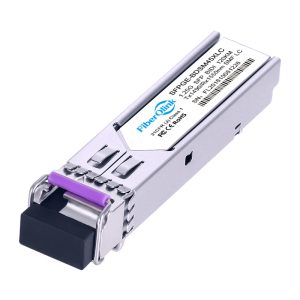 1.25G SFP BiDi
1.25G BIDI SFP 1490Tx 1550Rx 120km
-
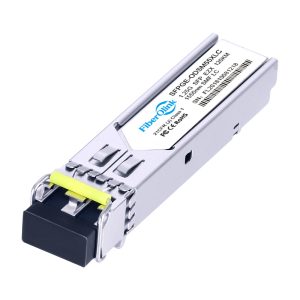 SFP Transceivers
1.25G SFP 1550nm 120km