



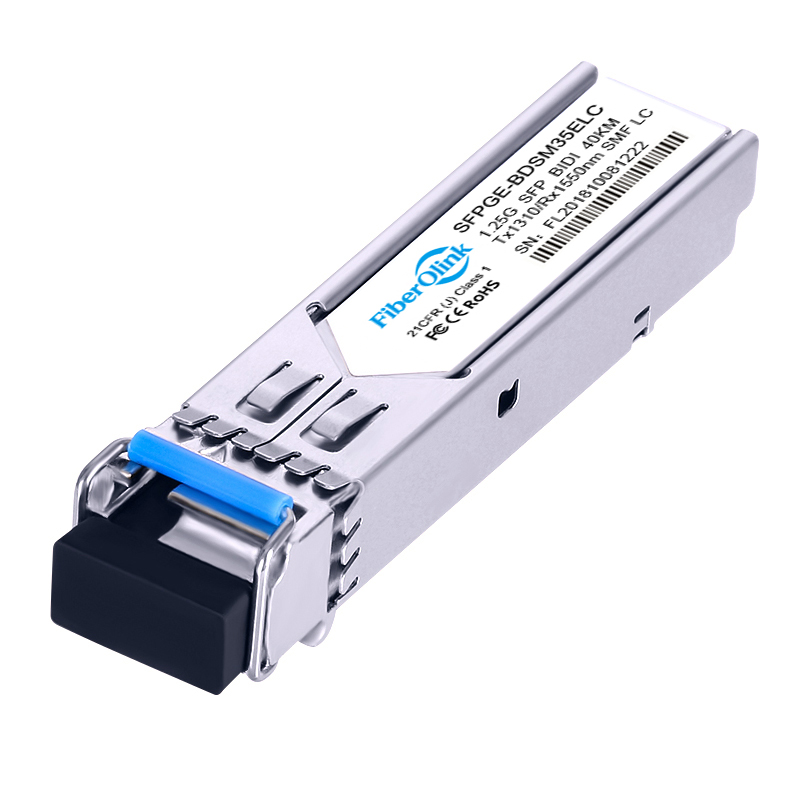
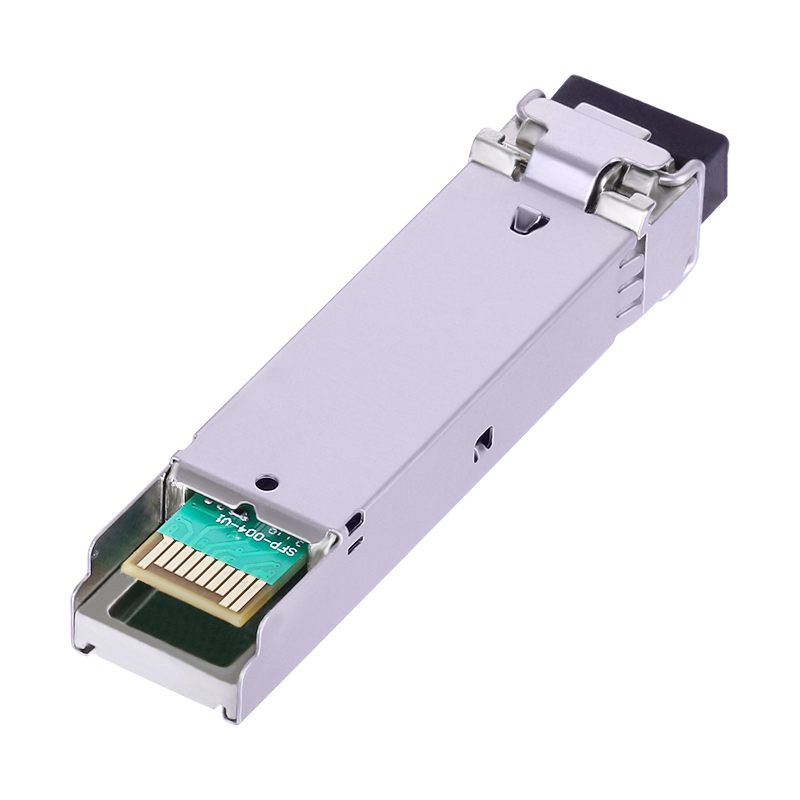
1.25G BIDI SFP LX 1310Tx 1550Rx 40km
- Utilizes hot-swappable SFP packaging simplex transceiver module
- 1310nm DFB transmitter and PIN receiver
- Compliant with IEEE 802.3z, SFF-8472, and SFP MSA Ethernet standards
- Maximum power consumption less than 0.86W
- Built-in Digital Diagnostic Monitoring (DDM)
- Power supply voltage 3.3V
- Compliant with RoHS environmental standards (lead-free)
- Class 1/1M specification product, compliant with IEC60825-1 requirements
- Meets Telcordia (Bellcore) GR-468-CORE reliability requirements
- Meets EMI and ESD requirements
- MTBF: 800,000 hours
Warranty : 30-Day Free Return, 3-Year Free Replacement, 5-Year Warranty, Lifetime After-sales Technical Support.
| Product Model | SFP-1G-BIDI-40 | Vendor Name | Fiberolink |
| Form Factor | SFP | Data Rate | 1.25Gbps |
| Wavelength | TX-1310nm/RX-1550nm | Distance | 40km |
| Connector | LC Simplex | Cable Type | 单模SMF |
| Transmitter Type | DFB | Detector Types | PIN |
| TX Power | -5~0dBm | Receiver Sensitivity | < -24dBm |
| Power Consumption | ≤0.86W | Operation Temperature | 0~70°C |
| DDM | Support | EMC | Support |
| Protocols | IEEE 802.3z, SFF-8472, SFP MSA, CPRI, eCPRI | ||
Q、What types of SFP optical modules are there?
A、SFP optical modules are compact, hot-pluggable transceivers widely used in the telecommunications industry. They come in various types, including BIDI-SFP, Ethernet interface SFP, CWDM SFP, DWDM SFP, and SFP+ optical modules. Additionally, compared to similar modules like XFP, X2, and XENPAK, SFP modules not only offer direct compatibility but also tend to be more cost-effective.
Q、What is the difference between the electrical interface module SFP-GE-T and optical interface modules?
A、The electrical interface module SFP-GE-T and optical interface modules differ in signal transmission methods and application environments:
- Signal Transmission Method: Electrical interface modules use electrical signals for transmission, whereas optical interface modules employ optical signals. Optical signal transmission boasts higher bandwidth and speed, making it suitable for long-distance transmissions.
- Application Environment: Electrical interface modules are suited for short-range transmissions and smaller network setups, such as office or home networks. Optical interface modules, on the other hand, are designed for larger network environments like data centers and corporate networks.
Q、Can Gigabit Ethernet ports communicate with 100Mbps ports? Can Gigabit Ethernet ports communicate with 10 Gigabit Ethernet ports?
A、Gigabit Ethernet ports can directly interoperate with 100Mbps ports, but the data transfer rate will be limited to the slower 100Mbps Ethernet standard when they are connected.
For interoperability between Gigabit Ethernet ports and 10 Gigabit Ethernet ports, reliance on additional equipment such as switches is necessary. When connected through a switch, both Gigabit and 10 Gigabit Ethernet ports can communicate, with the transmission rate again limited by the slower port. It is crucial to note that this interconnection assumes that the 10 Gigabit Ethernet port on the networking device using the electrical interface module supports Gigabit speeds.
1.25Gbs SFP BIDI 10km Transceiver HXSX-1L355313x
1.25Gbs SFP BIDI 20km Transceiver HXSX-1L344323x
1.25Gbs SFP BIDI 20km Transceiver HXSX-1L355323x
1.25Gbs SFP BIDI 40km Transceiver HXSX-1L344343x
1.25Gbs SFP BIDI 40km Transceiver HXSX-1L355343x
1.25Gbs SFP BIDI 60km Transceiver HXSX-1L344363x
1.25Gbs SFP BIDI 80km Transceiver HXSX-1L455483x
1.25Gbs SFP BIDI 100km Transceiver HXSX-1L4554W3x
Related products
-
 Optical Transceivers
1.25G CWDM SFP 120km
-
 Optical Transceivers
1.25G CWDM SFP ZX 80km
-
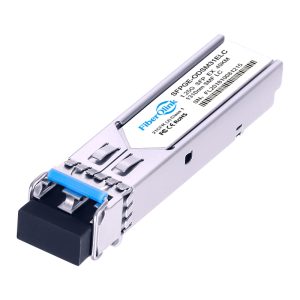 Optical Transceivers
1.25G SFP EX 1310nm 40Km
-
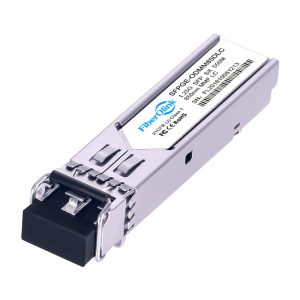 Optical Transceivers
1.25G SFP SX 850nm 550m