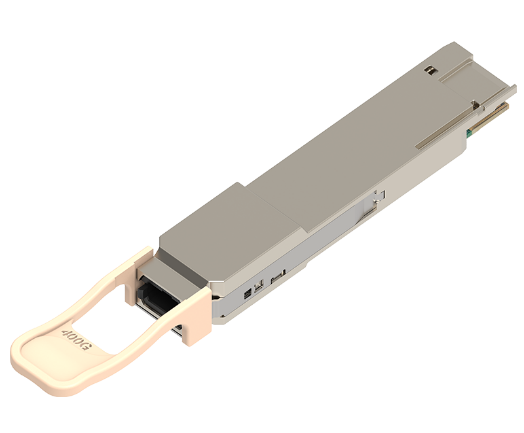



Small Form-factor Pluggable (SFP) optical modules play a crucial role in modern network environments, providing the flexibility and scalability needed for efficient data transmission. Understanding the differences between 1G and 10G SFP modules is essential for network administrators and technicians to optimize network performance and ensure compatibility. In this blog post, we will delve into the basics of SFP optical modules and explore various methods to distinguish between 1G and 10G SFPs.
Introduction to SFP Optical Modules
SFP optical modules, also known as Mini-GBICs (Gigabit Interface Converters), are hot-swappable transceivers commonly used in networking equipment. They facilitate data transmission over fiber optic cables and support various data rates and communication protocols, making them versatile components in modern networks.
What is a 1G SFP Module?
A 1G SFP module, also known as a 1 Gigabit Small Form-factor Pluggable module, is a transceiver used for telecommunication and data communication applications. It is designed to support communication over fiber optic or sometimes copper network cables at speeds of up to 1 Gigabit per second (Gbps).
1G SFP optical modules come in various types, primarily single-mode and multi-mode. Single-mode optical modules are suitable for long-distance transmission, while multi-mode modules are suitable for short-distance transmission. Additionally, different brands and models of 1G SFP optical modules may vary in terms of maximum supported distance, wavelength, and interface type, requiring selection based on specific needs.
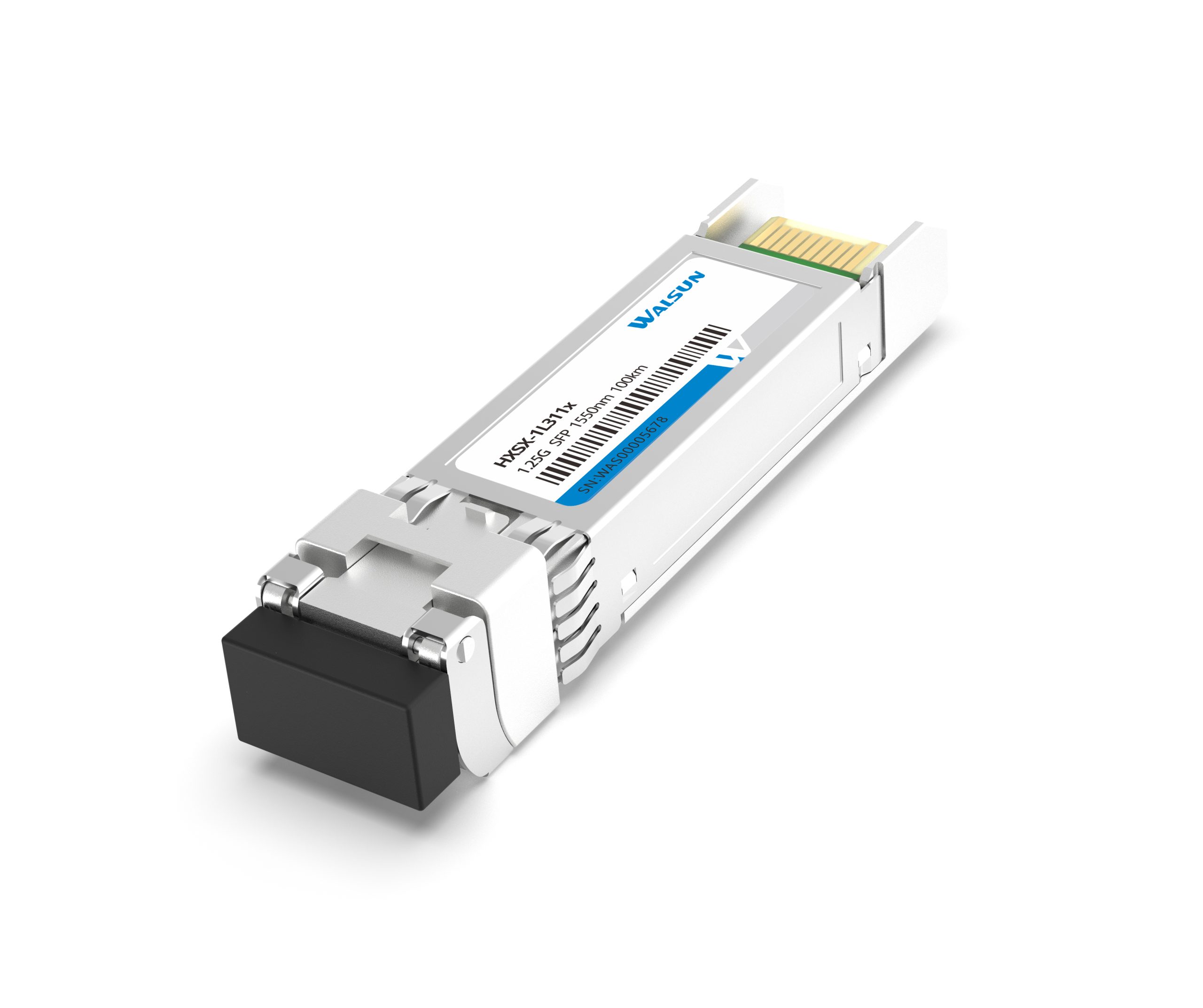
Figure 1:1.25G SFP 1550nm 100km
What is a 10G SFP Module?
A 10G SFP module, also known as a 10Gb Small Form-factor Pluggable transceiver, is an upgraded version of the standard SFP module, supporting data rates of up to 10 Gigabits per second (Gbps). It typically consists of components such as packaging, interface, optical transceiver, and circuit board, and transmits data over multi-mode and single-mode fiber by connecting to the SFP+ slots of network devices such as switches or routers. Compared to 1G modules, it is designed to handle higher bandwidth, making it ideal for high-speed data transmission applications.
>>> Learn More About the 10G SFP+ Series Optical Modules
How to Distinguish Between 1G and 10G SFP+
Physical Identification
One of the primary methods to distinguish between 1G and 10G SFP modules is through physical identification. Manufacturers usually label SFP modules clearly to indicate their speed compatibility, such as “1G” or “10G.” These labels are typically located on the front or top of the module, allowing for quick identification of the speed rating.
Configuration Check
Another method is to check the configuration settings of the SFP module in the network equipment. Network administrators can access the management interface of the device and view the configuration speed of the SFP ports. This method provides a direct understanding of the operating speed of the SFP module.
Optical Power Detection
Optical power detection is a practical method for distinguishing between 1G and 10G SFP modules. By using a power meter or Optical Time Domain Reflectometer (OTDR) to measure the optical power output of the SFP module, technicians can determine whether the module is operating at 1G or 10G speed. Higher optical power levels generally indicate 10G operation.
Spectrum Analysis
Spectrum analysis involves examining the spectral characteristics of the optical signal transmitted by the SFP module. Technicians can use a spectrum analyzer to analyze the frequency components of the signal and identify patterns associated with specific data rates, such as 1G or 10G. This method provides a comprehensive understanding of the operational characteristics of the SFP module.
In summary, distinguishing between 1G and 10G SFP modules requires a combination of physical identification, configuration checks, optical power detection, and spectrum analysis. Network administrators and technicians should utilize these methods collectively to accurately identify the speed of SFP modules in their network infrastructure. By understanding the capabilities of SFP modules, organizations can optimize network performance and ensure seamless compatibility in various network environments.