


Table of Contents
ToggleUnderstanding SFP Modules and Their Speed
In the ever-evolving world of networking, Small Form-Factor Pluggable (SFP) modules play a crucial role in maintaining robust and efficient data transmission. SFP modules are compact, hot-pluggable transceivers that provide connectivity for various network devices. They come in different types and speeds, which can be tailored to specific networking needs. Understanding how to check the speed of these modules is essential for ensuring your network operates at its peak efficiency.
What is an SFP Module?
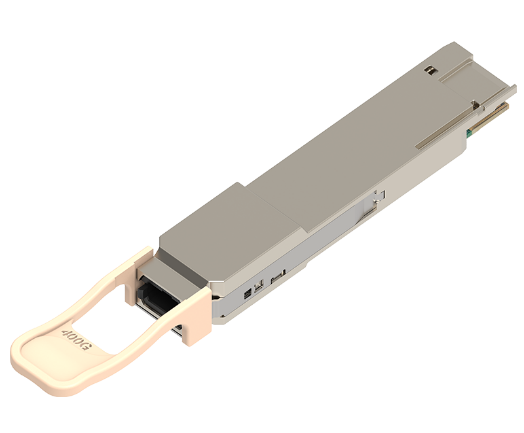
Before diving into how to check your SFP speed, it’s important to understand what SFP modules are and why they matter. An SFP module is a transceiver that enables network devices such as switches, routers, and servers to connect and communicate over different types of media, including fiber optics and copper cables. These modules support various speeds and wavelengths, allowing for flexibility in network design.
Why Check Your SFP Speed?
Monitoring the speed of your SFP modules is critical for several reasons:
Network Performance: Ensuring that your SFP modules are operating at the correct speed helps maintain optimal network performance. Mismatched speeds can lead to network bottlenecks or degraded performance.
Troubleshooting: If you’re experiencing connectivity issues or slow performance, checking the SFP speed can help identify whether the issue lies with the module itself or elsewhere in the network.
Compliance and Upgrades: Verifying the speed of your SFP modules can help ensure that your network equipment meets the required specifications and supports necessary upgrades.
Methods to Check SFP Speed
There are several methods to check the speed of your SFP modules. Each method provides different levels of detail and may be suited for different scenarios.
1. Using Network Device Interfaces
Most network devices, such as switches and routers, offer a way to check the status and speed of the connected SFP modules through their management interfaces. Here’s how you can typically do it:
Access the Device Interface: Log in to the network device’s management interface using a web browser or command-line interface (CLI).
Navigate to the Port Status Page: Look for a section related to port status or transceiver information. This page usually lists details about each port, including the connected SFP module’s speed and other attributes.
Review the Speed Information: Check the speed listed for each port. It should indicate whether the module is operating at 1 Gbps, 10 Gbps, or another speed depending on the SFP type.
2. Using Command-Line Interface (CLI)
For more advanced users, the CLI offers a powerful way to access detailed information about your SFP modules:
Connect to the Device: Use SSH or a direct console connection to access the CLI of your network device.
Enter the Appropriate Command: Depending on the device and its operating system, you might use commands like show interfaces, show transceiver, or show module to retrieve information about the SFP modules.
Interpret the Output: Look for lines in the output that specify the speed and other relevant details about the SFP module.
3. Using Network Management Software
Network management software can provide a comprehensive view of your network, including the status and speed of SFP modules. Tools like SolarWinds, PRTG Network Monitor, and others offer detailed insights:
Install and Configure the Software: Ensure the software is properly configured to monitor your network devices.
Access the SFP Information: Navigate to the section of the software that provides information about your network hardware and check the details for your SFP modules.
Analyze the Data: Review the data provided to verify the speed and status of each SFP module.
4. Physical Inspection
In some cases, you may need to physically inspect the SFP module:
Remove the SFP Module: Carefully remove the SFP module from its slot in the network device.
Check the Label: Look for a label on the module itself, which typically indicates the speed and other specifications.
Reinsert the Module: After inspection, reinsert the module back into its slot.
Troubleshooting and Best Practices for SFP Modules
Knowing how to check the speed of your SFP modules is just the beginning. Proper troubleshooting and adherence to best practices are crucial for maintaining a healthy network environment.
Troubleshooting SFP Speed Issues
If you find that your SFP module is not operating at the expected speed, consider the following troubleshooting steps:
1. Verify Compatibility
Ensure that the SFP module is compatible with your network device. Different devices and SFP modules have specific speed and type requirements. Refer to your device’s documentation to confirm compatibility.
2. Check for Firmware Updates
Outdated firmware can sometimes cause issues with SFP module performance. Check if there are any firmware updates available for your network device and apply them if necessary.
3. Inspect the Cabling
Faulty or improperly connected cables can affect SFP module performance. Inspect the cables connected to the SFP module and ensure they are securely attached and in good condition.
4. Test with a Known Good Module
If you suspect an issue with the SFP module itself, try replacing it with a known good module. This can help determine whether the problem lies with the module or elsewhere in the network.
Best Practices for Managing SFP Modules
To ensure the long-term performance and reliability of your SFP modules, follow these best practices:
1. Regular Monitoring
Regularly check the speed and status of your SFP modules as part of your network maintenance routine. Early detection of issues can prevent larger problems down the line.
2. Keep Documentation Updated
Maintain up-to-date documentation of your network hardware, including the specifications and speeds of your SFP modules. This helps with troubleshooting and future upgrades.
3. Use Quality Equipment
Invest in high-quality SFP modules and network devices to ensure compatibility and reliability. Avoid using generic or low-quality modules that may not meet the required specifications.
4. Follow Manufacturer Guidelines
Adhere to the manufacturer’s guidelines for installation, usage, and maintenance of SFP modules. This ensures that you are using the modules correctly and avoiding potential issues.
5. Plan for Upgrades
As your network evolves, plan for future upgrades of your SFP modules to accommodate higher speeds and new technologies. Keeping your hardware up to date will help maintain optimal network performance.
By understanding and regularly checking the speed of your SFP modules, you can ensure that your network operates efficiently and remains resilient to potential issues. Following these practices will help you maintain a robust and high-performing network environment.